Container Gardening Tips for Beginners
If you’ve ever thought you needed a big yard to grow your own plants, container gardening is here to prove otherwise. It’s one of the easiest ways to start gardening, even if all you have is a small patio or a sunny corner.
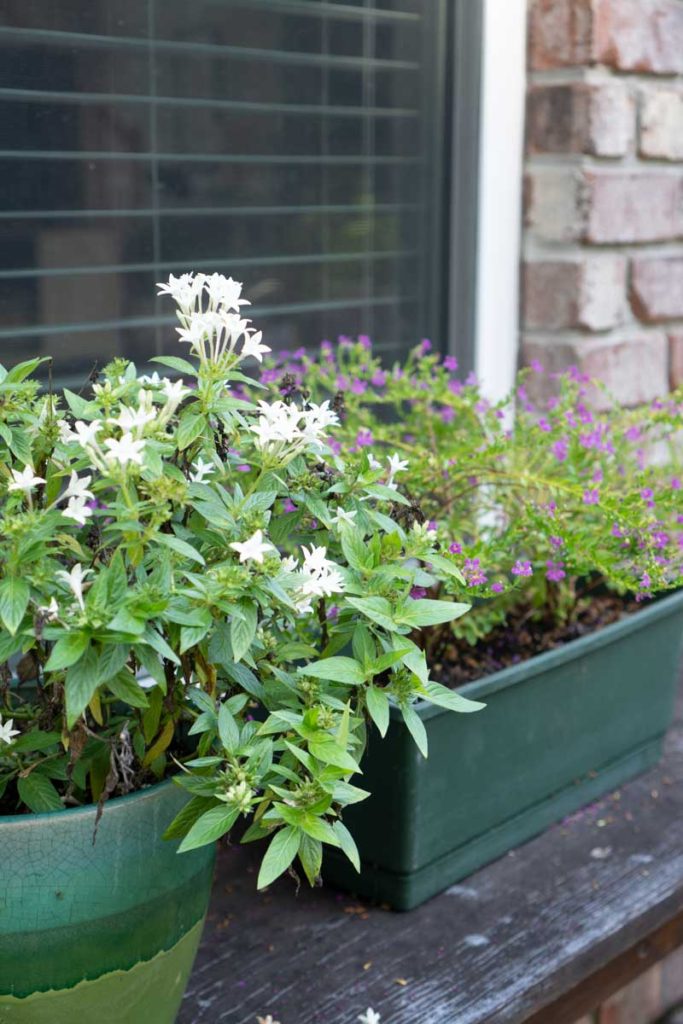
Container gardening lets you grow herbs, vegetables, and flowers in a way that’s simple and flexible. It’s perfect for beginners and easy to adjust as you learn what works best.
Let’s walk through some practical container gardening tips to help you get started.
Choose the Right Containers
Not all containers are created equal, and the one you choose can make a big difference.
Make sure your containers have drainage holes so excess water can escape. Without drainage, plants can easily become overwatered.
You can use traditional pots, raised planters, or even repurpose items like buckets or baskets as long as they drain well.
Terra cotta pots will dry our faster due to their porosity, while plastic or less porous containers will retain water longer. Here in South Georgia I tend to go with plastic because I don’t have to water as often in our intense heat but cooler climates might prefer the terra cotta. Pick the best for your climate.
Pick the Right Plants for Containers
Some plants grow better in containers than others, especially if you’re just starting out.
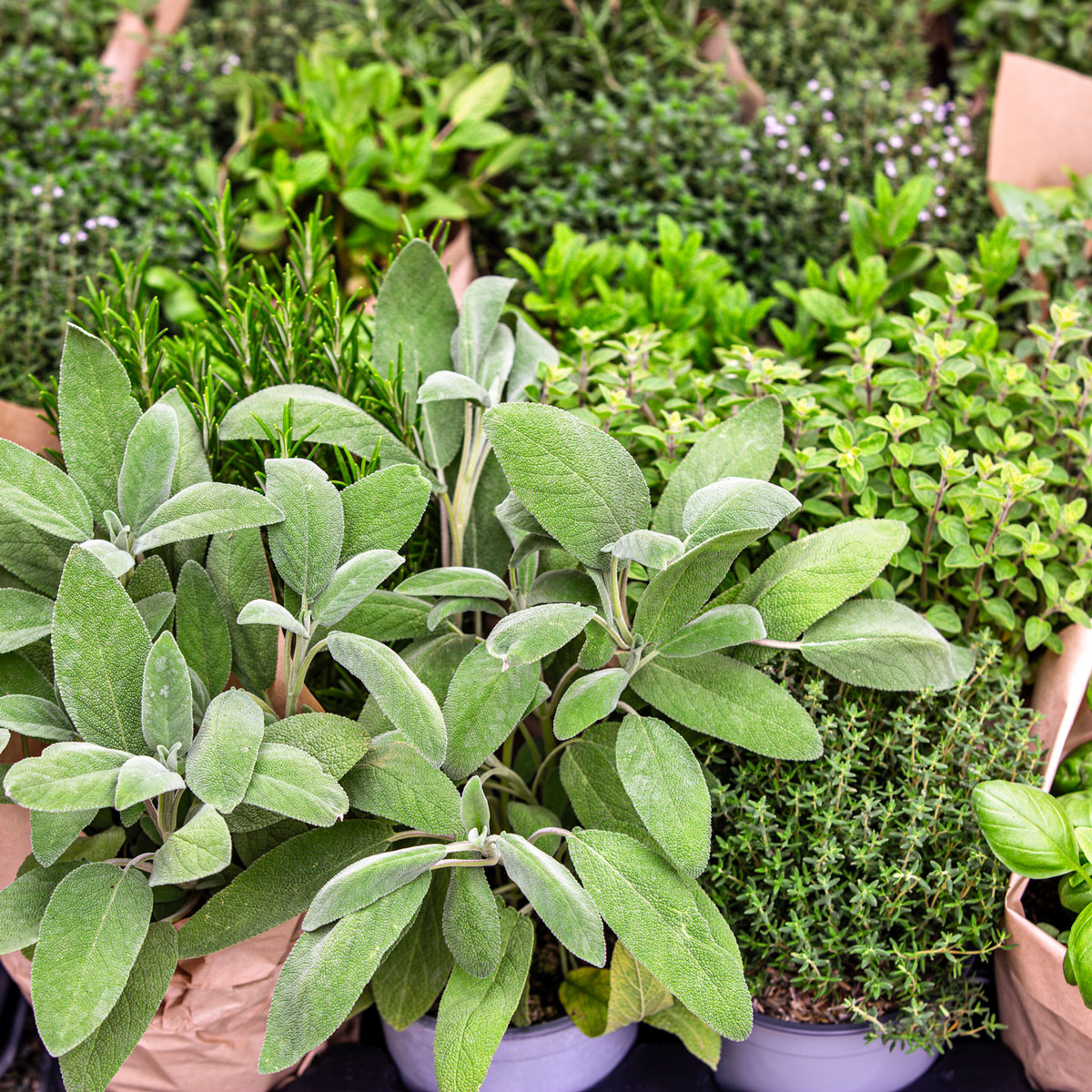
Herbs like basil, thyme, and mint do very well in pots. (See my beginner herb garden tips here.) Vegetables like tomatoes, peppers, and lettuce are also great choices for container gardening.
Start with a few plants you know you’ll use or enjoy. This makes it more fun and easier to stick with.
Use Good Quality Potting Soil
One of the most important container gardening tips is to skip the garden soil and use potting mix instead.
Potting soil is lighter and drains better, which helps prevent root rot. It also gives your plants the nutrients they need to grow well in a smaller space.
Filling your containers with the right soil from the start sets you up for success.

Give Your Plants Enough Sunlight
Most plants need plenty of sunlight to thrive, especially vegetables and herbs.
Look for a spot that gets at least 6 hours of sunlight each day. A patio, balcony, or sunny spot in your yard can all work well.
If you’re growing indoors, place containers near a bright window where they can get consistent light.
My Favorite Container Garden Finds


Water Consistently
Container plants tend to dry out faster than plants in the ground, so regular watering is key.
Check the soil daily, especially during warmer months. If the top inch feels dry, it’s time to water. You can also use inexpensive moisture readers to make it easier to judge.
Try to water deeply so the roots get what they need, rather than just wetting the surface.
Don’t Forget to Feed Your Plants
Because container plants rely on a limited amount of soil, they can use up nutrients more quickly.
Using a simple fertilizer every couple of weeks can help keep your plants healthy and productive. You don’t need anything complicated, just something basic to give them a boost.
Healthy plants grow better and produce more, whether you’re growing herbs, vegetables, or flowers.
Make the Most of Your Space
One of the best things about container gardening is how flexible it is.
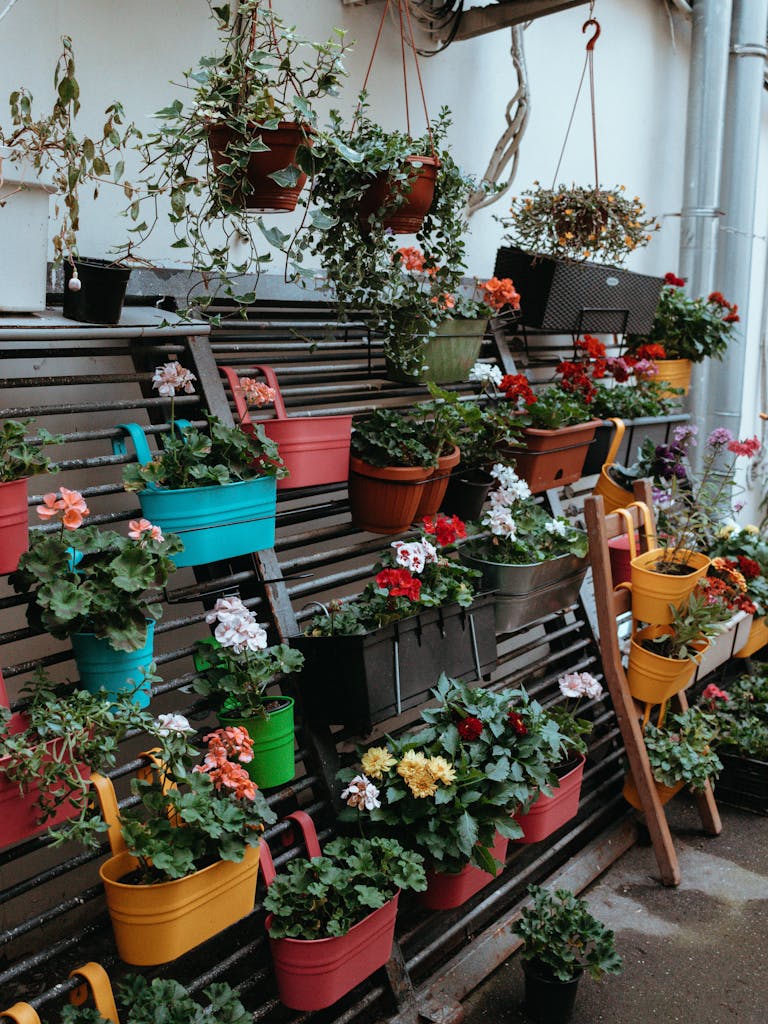
You can group pots together, use plant stands, or add vertical shelves to fit more plants in a small area. Hanging planters are another great option if you’re short on space.
A little creativity can help you grow more without needing a bigger yard.
Start Small and Build from There
It’s tempting to jump in and plant everything at once, but starting small makes it easier to manage.
Begin with a few containers and a handful of plants. Once you get comfortable, you can always add more. This keeps the process enjoyable instead of overwhelming.
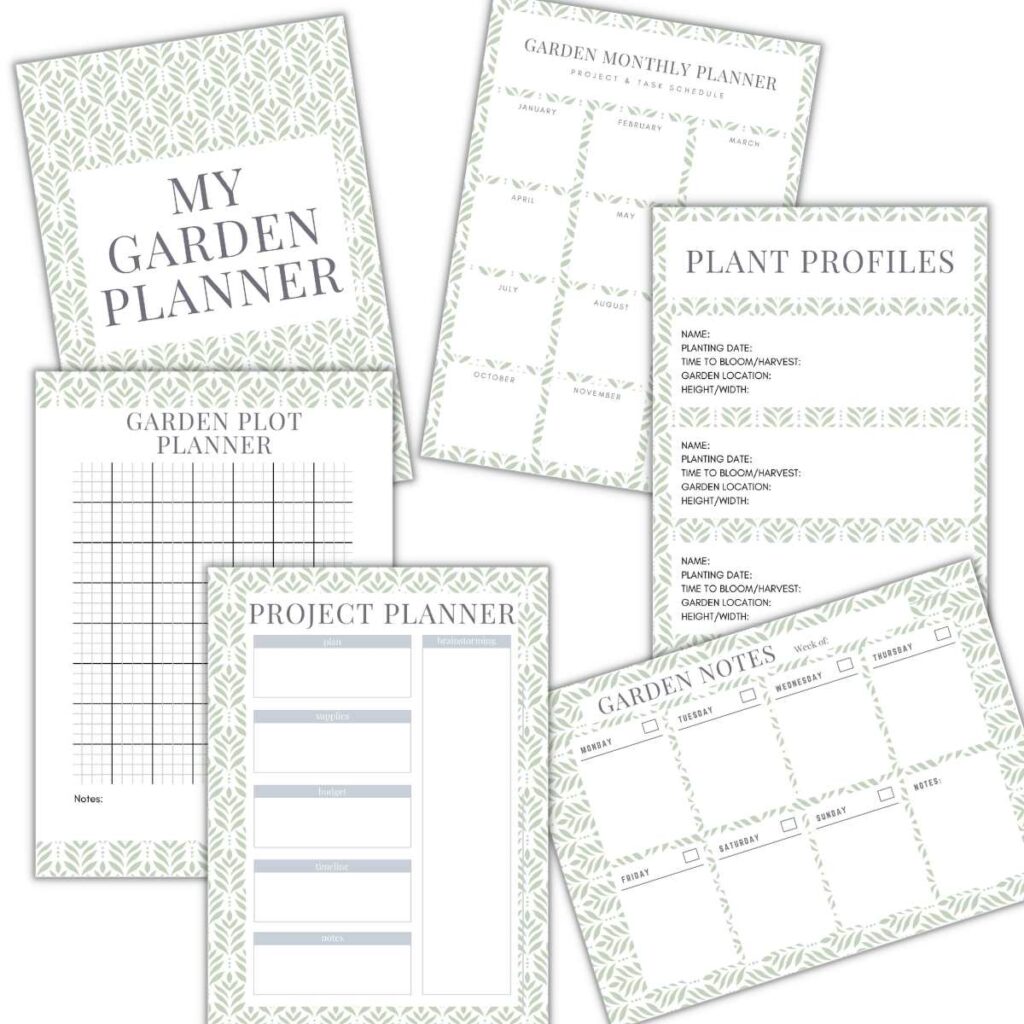
Consider our garden planner to help you take notes as you learn from your gardneing experiences and make adjustments for the next season:
Keep It Simple and Enjoy the Process
Container gardening doesn’t have to be complicated to be successful.
Pay attention to your plants, adjust as needed, and don’t stress about getting everything perfect. You’ll learn quickly just by doing.
Before you know it, you’ll have a thriving little garden right outside your door.