What to Do When Your Garden Disappoints You
Every gardener has a season they wish had gone differently.
Maybe your tomatoes never produced. Your zucchini got eaten by bugs before you picked a single one. Or perhaps weeks of heat, too much rain, or simply forgetting to water left your garden looking nothing like you imagined.
If your garden didn’t turn out the way you hoped, you’re not alone. A disappointing season doesn’t mean you’re a bad gardener. In fact, it’s something every gardener experiences sooner or later.

The good news is that every garden teaches you something. Even when things don’t go according to plan, you’re learning what works, what doesn’t, and what you want to do differently next time.
Let’s look at a few ways to bounce back after a disappointing gardening season.
Remember That Every Gardener Has Bad Years
It’s easy to scroll through social media and think everyone else is harvesting baskets of perfect vegetables and armfuls of beautiful flowers.
The truth is, most gardeners only share their successes. They don’t always post the tomato plant that never grew or the cucumber vines that wilted overnight.
Every experienced gardener has had plants die, seeds fail to sprout, pests take over, or unexpected weather ruin weeks of hard work. It’s simply part of gardening.

Figure Out What Went Wrong
Before you start planning for next year, spend a little time thinking about what happened.
Did your plants get enough sunlight? Were they watered consistently? Did insects or disease become a problem? Did you plant something that simply wasn’t a good fit for your climate?
You don’t need to have all the answers. Even identifying one thing you’d like to change next season is progress.
Keeping a simple garden journal like the one in our shop can make this even easier. Jot down what grew well, what struggled, and anything you’d like to remember for next year. It really does help to be able to reference in years to come!

Celebrate What Did Go Well
When a garden disappoints us, it’s easy to focus only on what failed.
Instead, think about your successes, even if they seem small.
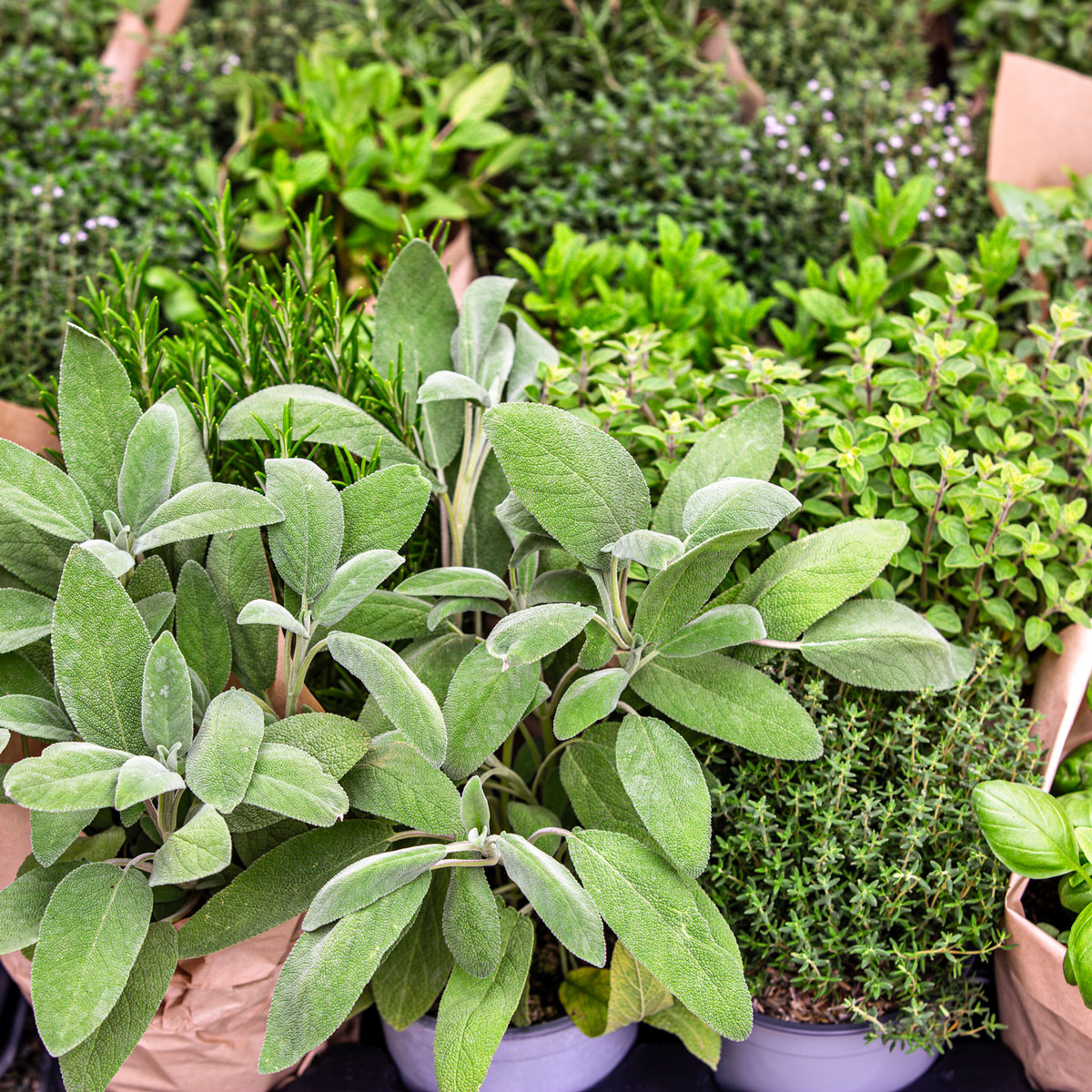
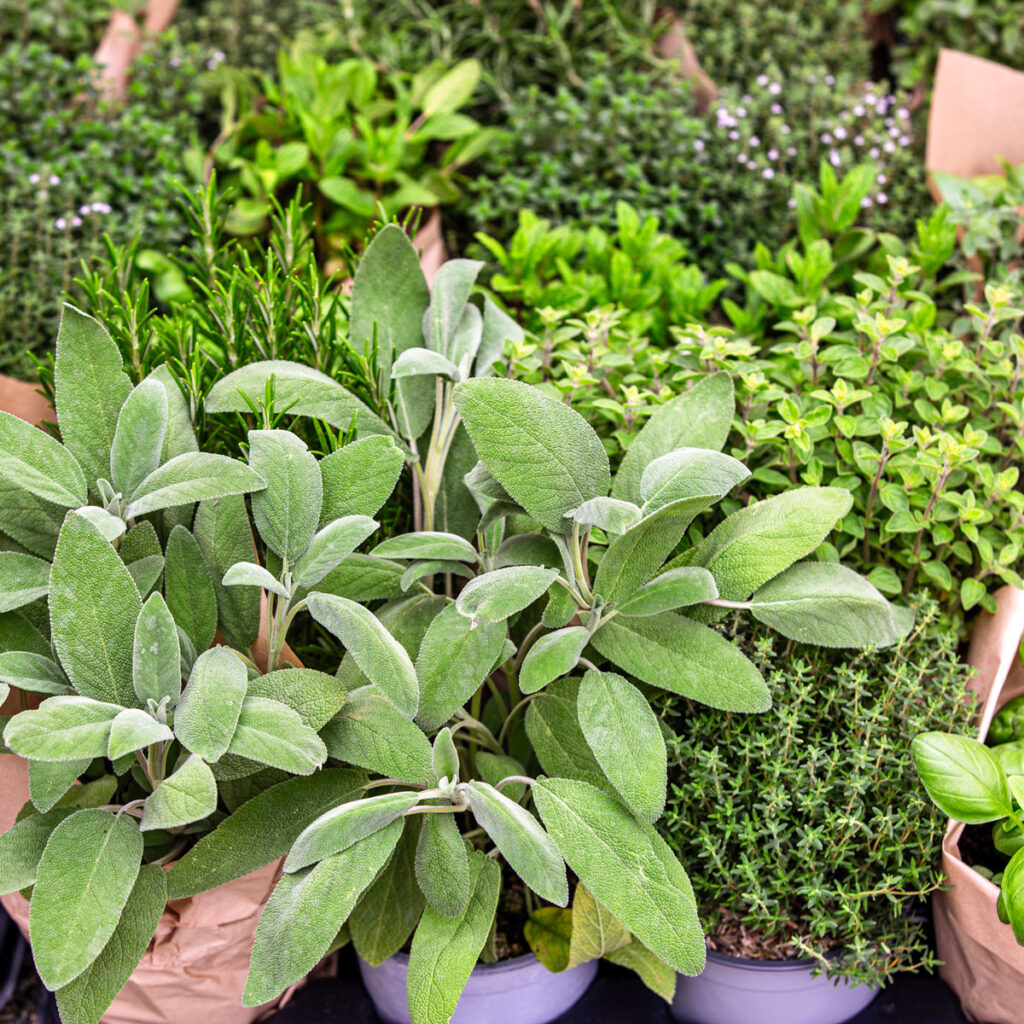
Maybe your herb garden thrived. Maybe your flowers attracted butterflies and other pollinators. Maybe you harvested a handful of tomatoes or learned how to grow something for the first time.
Those wins count just as much as the disappointments.
Don’t Give Up on Gardening
One rough season shouldn’t be the end of your gardening journey.
Some years are simply harder than others. Weather changes, pests show up, and life gets busy.
Gardening is a skill that grows over time. Every season gives you a little more knowledge than you had before.
Start Small Next Season
If this year felt overwhelming, give yourself permission to scale back.
Instead of planting a large garden, choose just a few vegetables or flowers that are known for being beginner-friendly.
Growing a handful of healthy plants is much more encouraging than trying to manage more than you have time for.
Ask Other Gardeners for Advice
One of the best parts of gardening is the community.
Talk with neighbors, friends, or local gardeners. Ask what grows well in your area and what challenges they’ve faced. You’ll probably discover they’ve had many of the same struggles.
I find my local “backyard gardening” group on Facebook is SO helpful. When I was feeling down about my garden’s yield this year I was able to see so many other locals facing the same challenges and helped me realize how much the weather was to blame this year.
Remember That Weather Is Out of Your Control
Sometimes you can do everything right and still have a disappointing year, as I am this summer. Heavy rain, drought, late frosts, heat waves, and storms can all affect your garden.
Don’t blame yourself for things you couldn’t control. Gardening always involves a little bit of unpredictability.
Focus on Progress, Not Perfection
A successful garden doesn’t have to look like something out of a magazine.
If you learned something new, grew a few vegetables, or simply enjoyed spending time outside, your garden was still worthwhile.
The goal isn’t perfection. It’s enjoying the process and learning a little more each season.
Look Forward to Next Year or Next Season
One of the best things about gardening is that every season is a fresh start. Despite my disappointing summer growing season, here in South Georgia we get a second season at the end of summer then a long fall season I always enjoy. Look forward!
You’ll have another chance to try a different variety, move a plant to a sunnier spot, or finally grow that vegetable you’ve always wanted to try.
Every experienced gardener started as a beginner, and every one of them has stories about plants that didn’t make it.
Don’t let one disappointing season stop you from planting again. Your best garden may still be ahead of you.