Fall Yard and Garden Checklist
As the weather starts to cool, it’s the perfect time to spend a little time in your yard and garden. A few simple tasks now can help your plants stay healthy through the cooler months and give you a head start when spring arrives.
The good news is that you don’t have to spend every weekend working outside. Taking care of a few projects throughout the fall can make a big difference while still leaving plenty of time to enjoy the season.
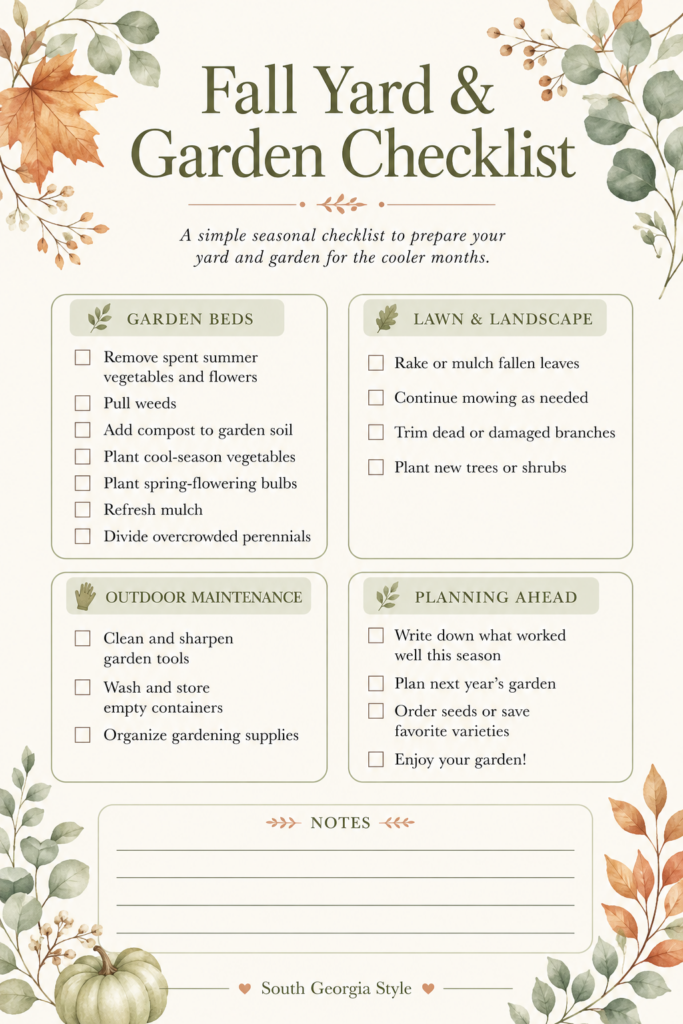
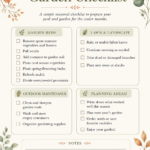
Let’s walk through some of the most important fall yard and garden tasks to add to your checklist. (Printable checklist at the bottom of the post.)
Pull Out Summer Plants
By fall, many summer vegetables and flowers have reached the end of their growing season.
Remove plants that are no longer producing or have been damaged by pests or disease. Clearing out old plants makes your garden look tidier and helps reduce the chance of pests and diseases sticking around over the winter.
If your plants are healthy, consider adding them to your compost pile instead of throwing them away.
Plant Cool-Season Vegetables
Fall is one of the best gardening seasons in much of the South.
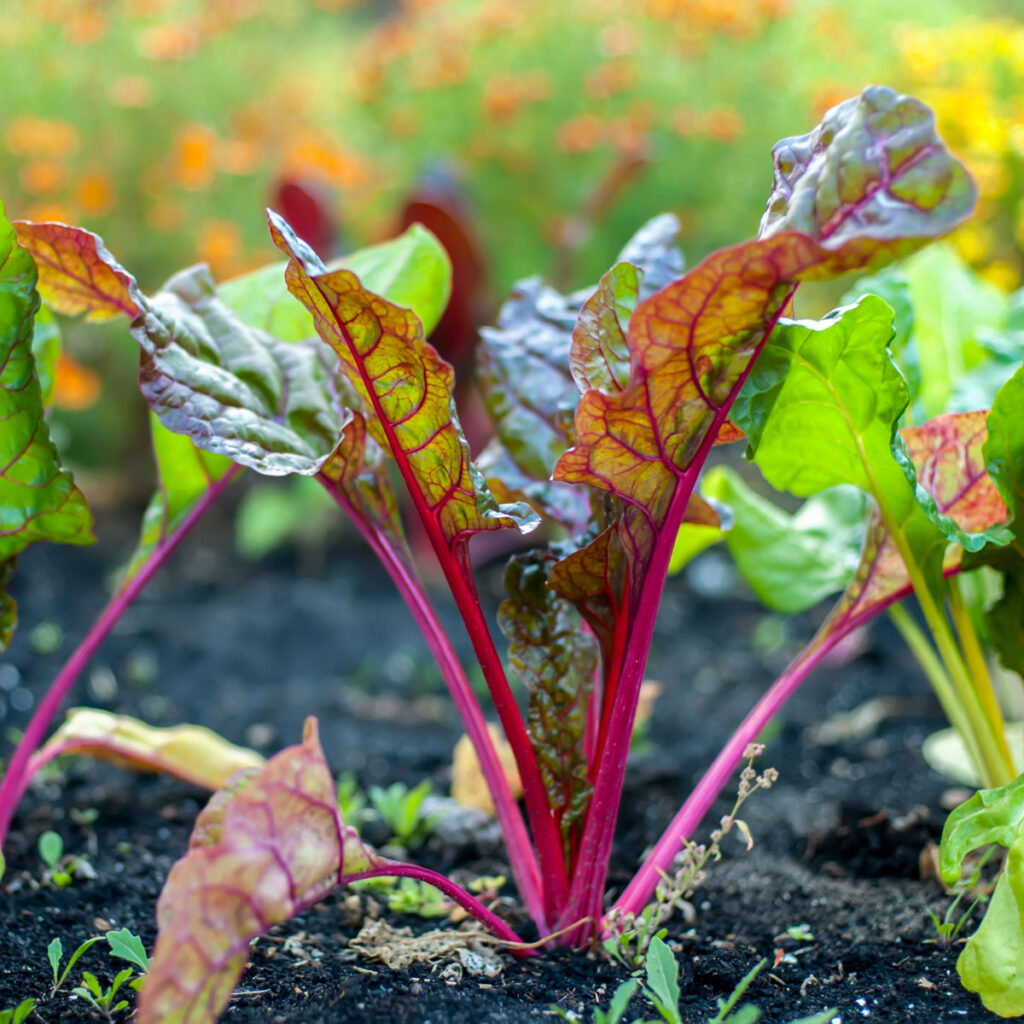
Vegetables like lettuce, spinach, kale, broccoli, carrots, radishes, and cabbage all thrive in cooler temperatures. Planting them now gives you fresh produce well into the fall and, in many areas, into winter.
If you’re new to gardening, start with just a few vegetables that your family enjoys eating. See all our fall gardening tips here.
Refresh Your Mulch
A fresh layer of mulch does more than make your flower beds look nice.
Mulch helps hold moisture in the soil, keeps weeds from taking over, and protects plant roots as temperatures begin to change.
Spread two to three inches of mulch around trees, shrubs, flowers, and garden beds, leaving a little space around the base of each plant.

Divide Perennials
Many perennial flowers benefit from being divided every few years.
If you’ve noticed plants becoming crowded or producing fewer blooms, fall is a great time to dig them up and separate them into smaller sections.
You can replant the divisions elsewhere in your yard or share them with friends and neighbors.
Clean Up Garden Beds
It’s amazing how quickly weeds and fallen leaves can pile up.
Pull weeds, remove dead plant material, and rake leaves from your garden beds. This helps prevent insects and plant diseases from overwintering in your garden.
A clean garden is also much easier to work with when spring arrives.
Add Compost to Your Soil
Fall is one of the best times to improve your garden soil.
Spread a layer of compost over empty garden beds or gently work it into the top few inches of soil. Over the winter, the nutrients will continue breaking down and improving the soil.
Healthy soil leads to healthier plants next season.
Plant Spring-Flowering Bulbs
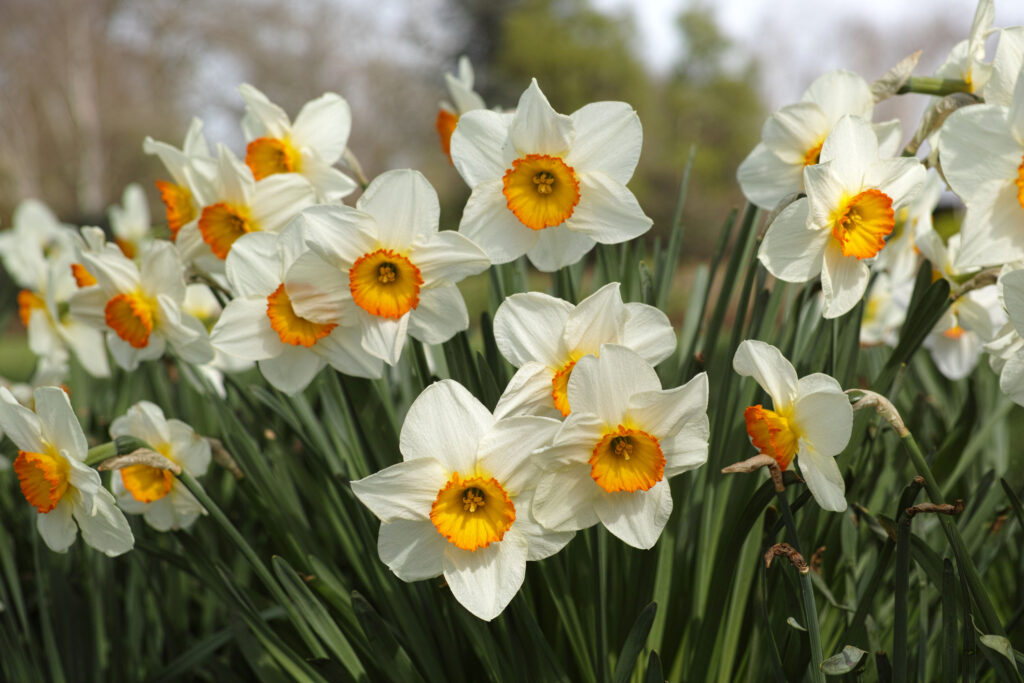
If you love seeing flowers pop up in early spring, now is the time to plant bulbs.
While many bulbs can’t be planted in the fall in the south due to our warm winters, daffodils, allium, dutch irises, and anemones tend to do well without artificial chilling.
Give Trees and Shrubs Some Attention
Take a walk around your yard and check your trees and shrubs.
Trim away any broken or damaged branches and remove dead growth. Avoid heavy pruning, as many plants are preparing for dormancy.
Fall is also a great time to plant new shrubs or trees because cooler temperatures help reduce transplant stress, especially after a long, hot summer.
Care for Your Lawn
Your lawn will appreciate a little attention before winter.
Continue mowing as needed, but gradually lower the mowing height toward the end of the season if recommended for your grass type.
Rake up thick layers of leaves so sunlight and air can still reach the grass. If you have only a light covering of leaves, you can often mulch them with your mower to return nutrients to the soil.
Empty and Clean Containers
If you’re finished with your container gardens, now is a good time to clean them.
Remove old plants, dump out worn-out potting soil, and wash containers with warm, soapy water.
Starting with clean containers next season can help reduce plant diseases and pests.
Make a Plan for Next Year
One of the best things you can do this fall doesn’t involve digging at all.
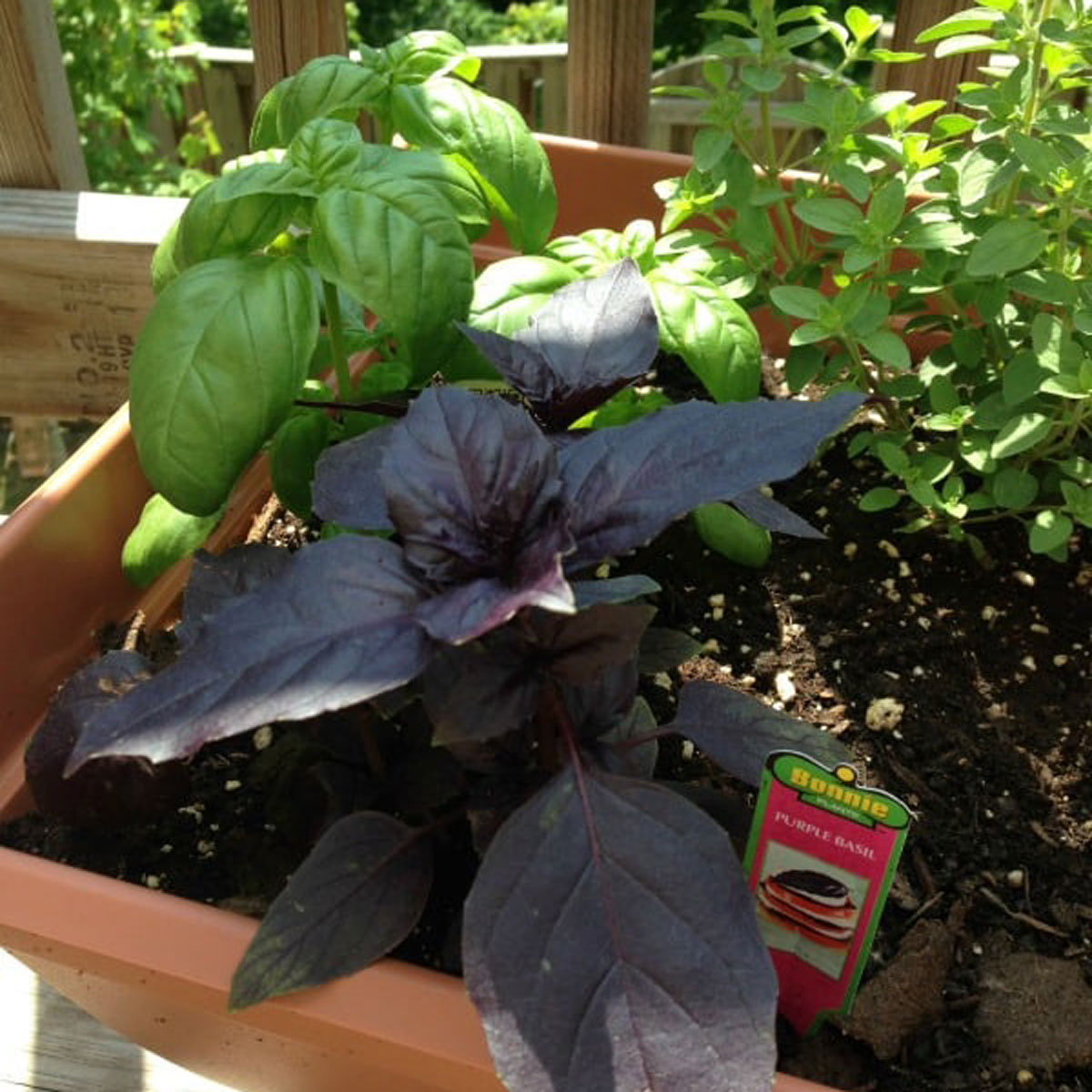
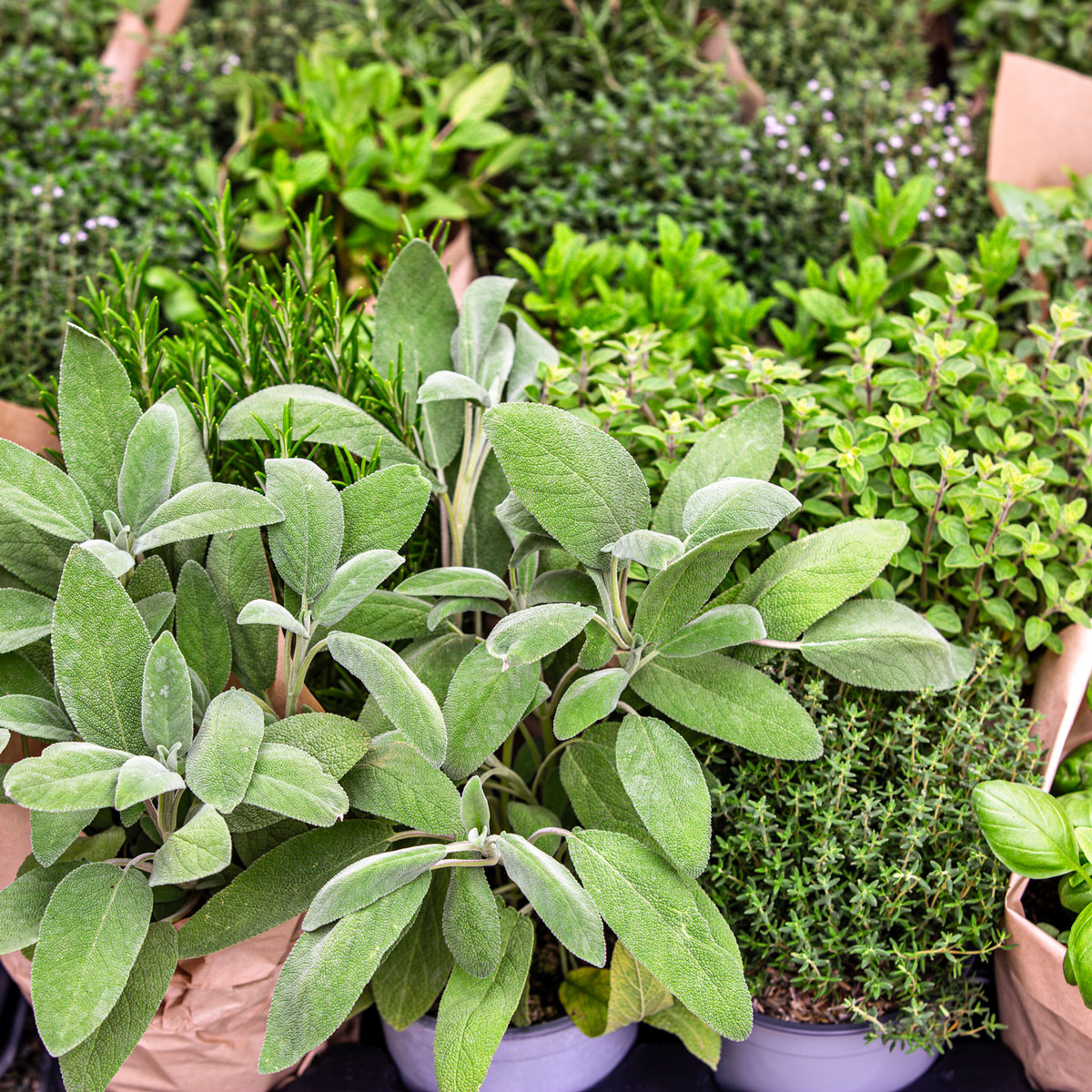
Take a few minutes to think about what worked well this year and what you’d like to change. Maybe you want to grow more herbs, add another raised bed, or try a new vegetable.
Writing down a few notes now will make planning your spring garden much easier. See our garden planner for a great way to organize your gardening notes and plans.
Enjoy the Season
Fall gardening doesn’t have to be all work.
Take time to enjoy the (finally!) cooler weather, admire the changing leaves, and appreciate everything your garden produced this year. Even if your garden wasn’t perfect, every season teaches you something new.
A little effort this fall will leave your yard looking its best and set you up for an even more successful garden next year.
Printable Fall Yard and Garden Checklist
Click here to download and print your free fall yard checklist.